Agent Formulation
Cleaning solutions are developed with a focus on ecological profiles and material compatibility.
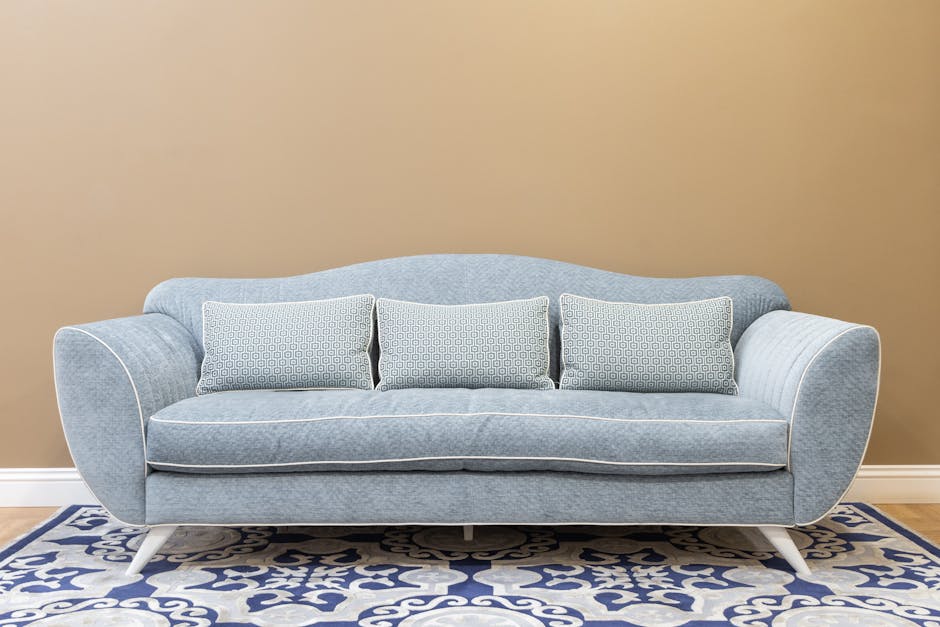
Apex Clean provides information on professional textile cleaning approaches for upholstered and cabinet furniture. Methods are described for consideration in contexts involving families, pets, or specific material requirements.
Request InformationApex Clean focuses on furniture maintenance processes within the Czech Republic. The described methodology involves the application of cleaning and care techniques for various fabric types. These approaches are structured to be considered for use with ecological agents that are formulated for compatibility with different materials. The framework is often reviewed for contexts where material preservation is a factor.
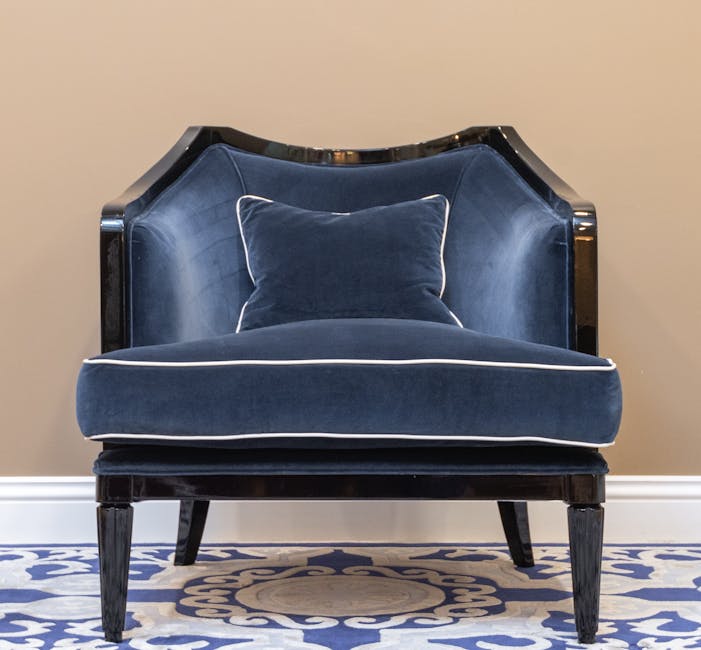
Maintaining furniture textiles involves several considerations. The type of fabric, its age, and previous treatments are factors in selecting a care approach. Processes may include surface cleaning, deeper textile care methods, and optional protective applications. The use of ecological cleaning agents is a common aspect of these methodologies, as they are often developed to minimize potential for material stress. For households, regular maintenance can be part of a broader home care routine, especially in environments with specific conditions.
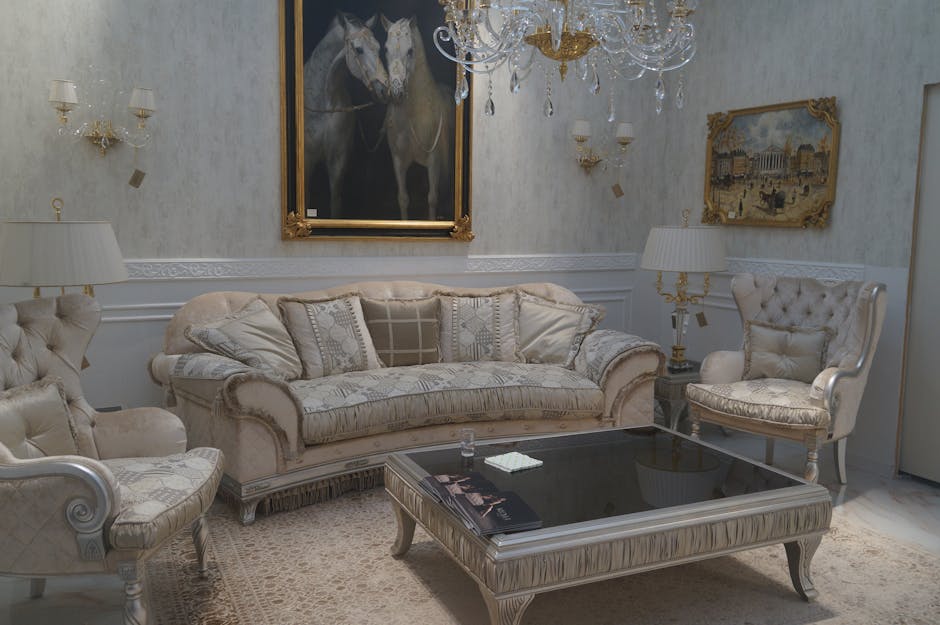
Cleaning solutions are developed with a focus on ecological profiles and material compatibility.
Methods are described for soft furniture, including sofas, armchairs, and other fabric-covered items.
Optional treatments are sometimes applied to fabrics to support resistance to future soiling.
Services are structured for the Czech residential environment, considering typical interior materials.
The cleaning process for our living room furniture was explained clearly. The team worked efficiently, and the condition of the fabrics was a noted factor in their approach.
We considered the service for our older armchairs. The preliminary assessment provided information on possible methods, which was helpful for our decision.
The focus on using specific cleaning agents was a point of interest for our household. The furniture appeared refreshed following the described maintenance procedure.
Apex Clean describes a multi-stage process for furniture maintenance. It typically begins with an inspection and identification of fabric types and conditions. Subsequent steps involve the application of selected cleaning methods, which can vary based on the material and soiling. A final stage may involve drying and optional protective treatment. This sequence is presented as a general framework, with the understanding that actual application depends on specific situational variables.
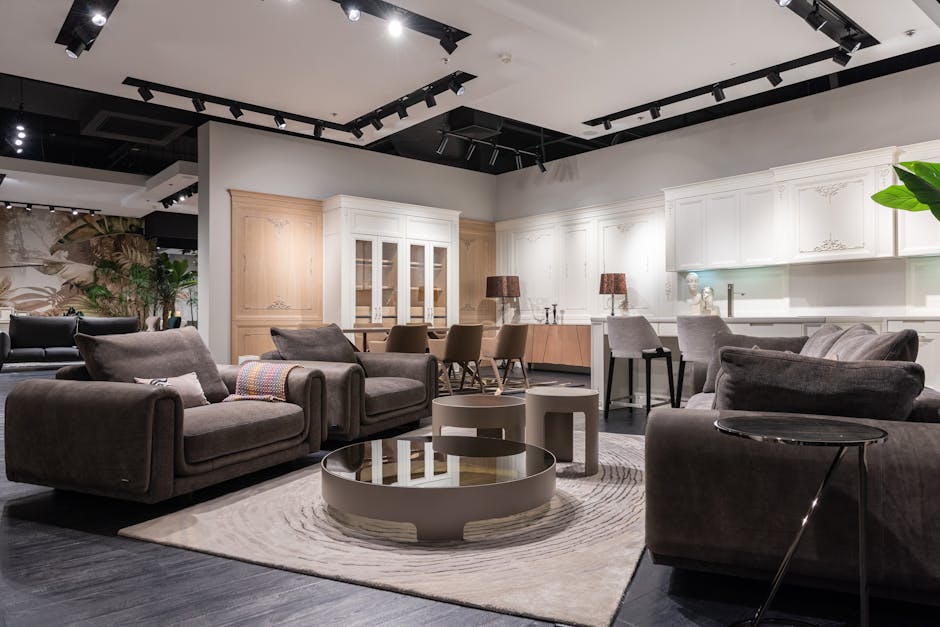
The selection of cleaning agents is often guided by ecological and safety parameters. Formulas used in these contexts are typically free from aggressive chemicals, which is a consideration for indoor air quality and material longevity. This aspect is frequently reviewed by clients with sensitivities or specific household requirements.
A review of furniture type, fabric material, and overall condition is conducted.
Based on the assessment, a suitable cleaning and care approach is identified.
The chosen methods and agents are applied to the furniture textiles.
The process concludes with drying, and optional treatments may be applied.
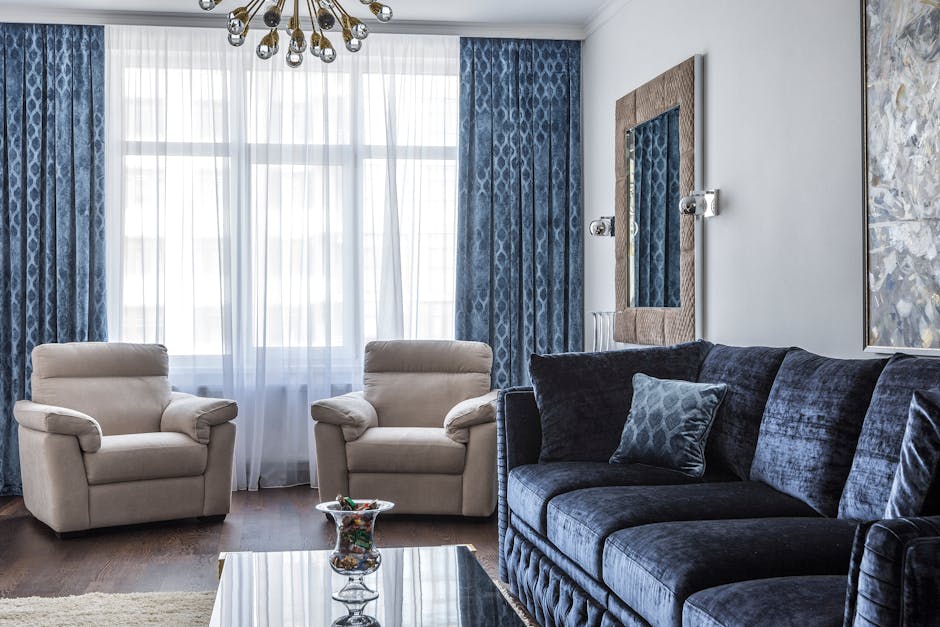
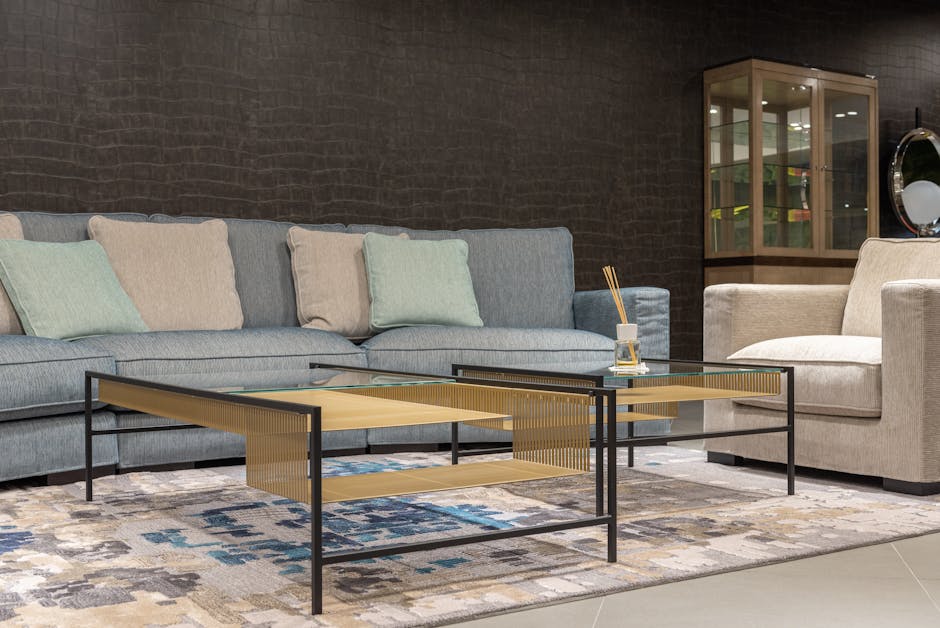
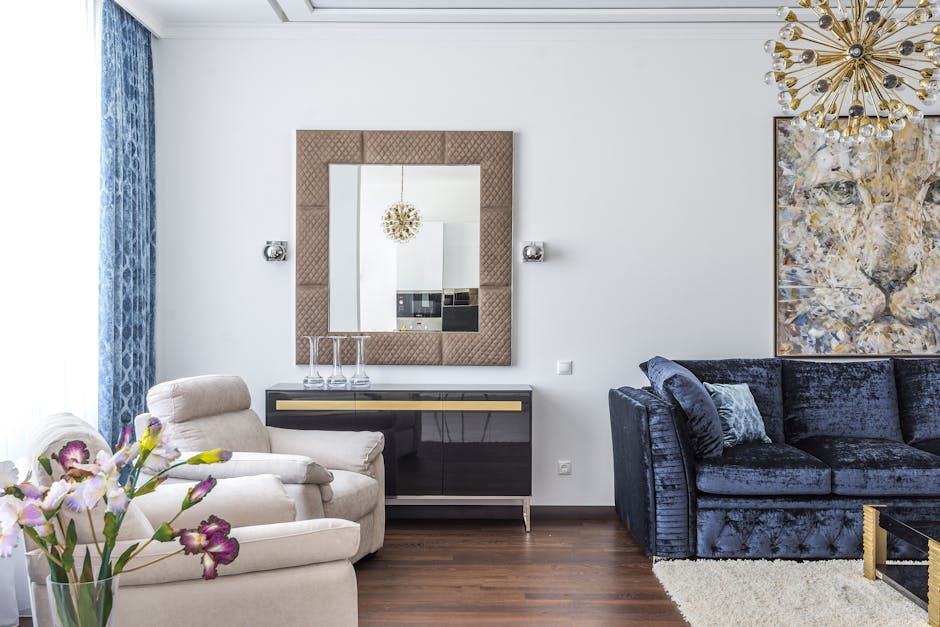
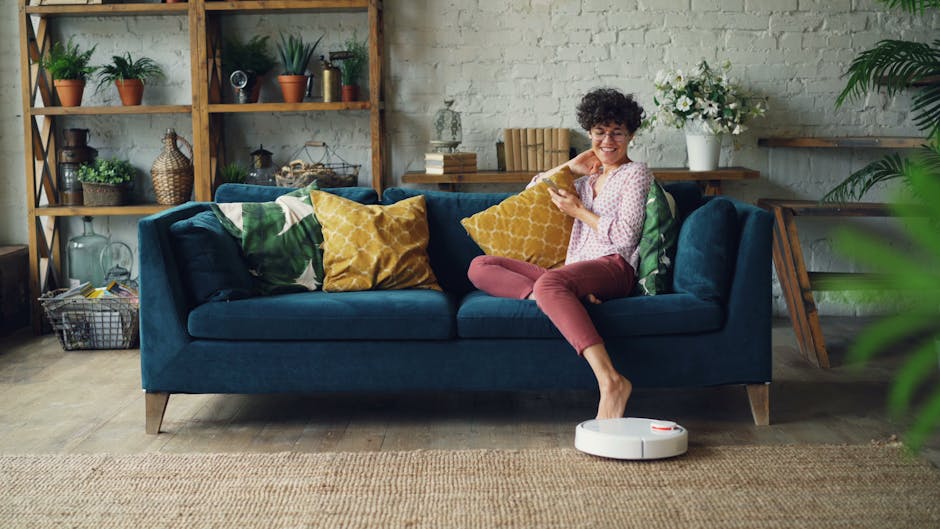

Apex Clean emphasizes the importance of matching cleaning methodologies to specific fabric compositions. Techniques for delicate textiles, such as silk or velvet, differ from those used for more durable synthetic blends. This tailored approach is a core part of the described service framework, aiming to address the preservation needs of various materials encountered in homes across the Czech Republic.
Regular care of upholstery and other fabric surfaces is one component of home maintenance. Factors like sunlight exposure, frequency of use, and presence of pets can influence the recommended care interval. Professional cleaning methods offer one avenue for addressing accumulated soiling that routine vacuuming may not remove.
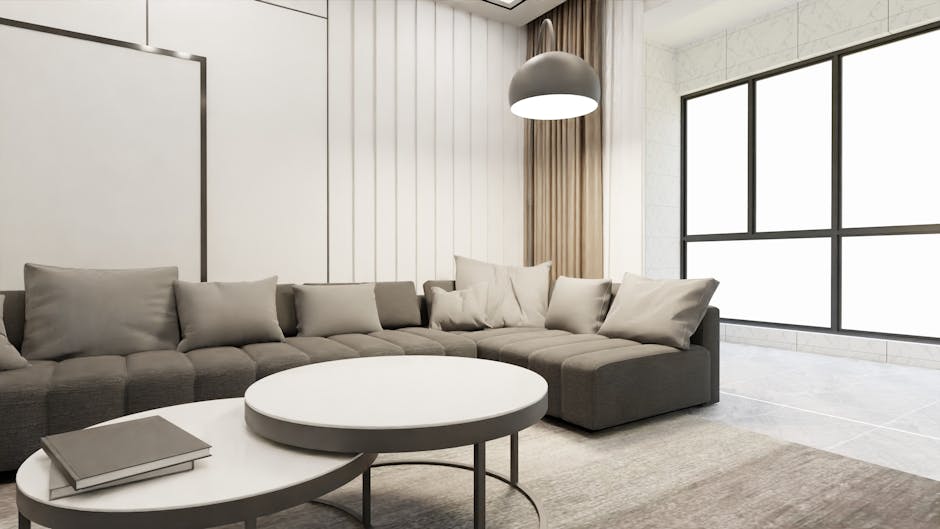
Agents are selected with ecological impact and indoor air quality as considerations.
Methods are described for environments with children, pets, or specific sensitivities.
A preliminary review of furniture condition guides the proposed approach.
Processes are structured to be completed within a defined timeframe, minimizing disruption.
Apex Clean's described approaches are informed by the common materials and design styles found in Czech residences. This includes familiarity with local fabric preferences, common soiling issues related to the climate, and typical furniture layouts. This contextual understanding is integrated into the assessment and method selection phase of the service framework.
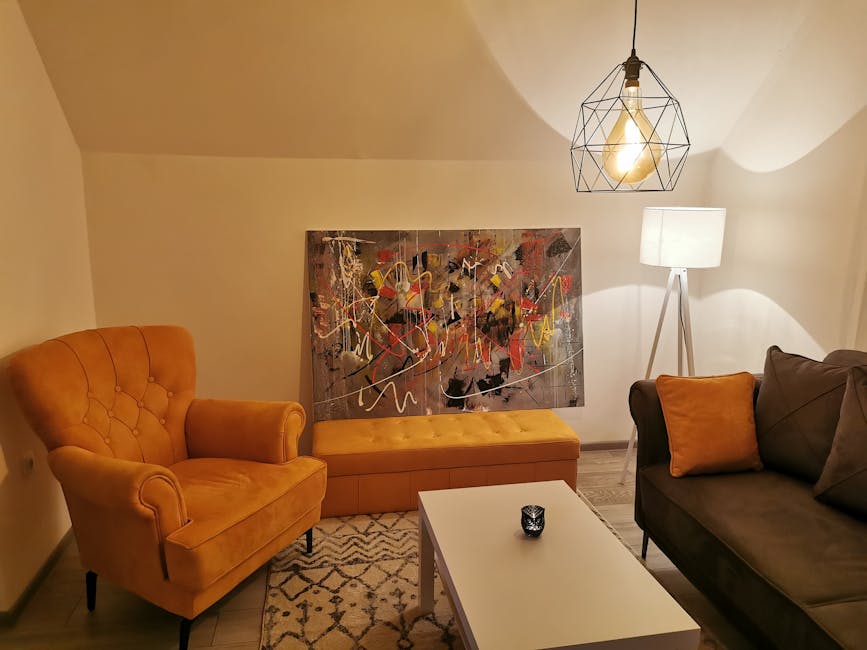
Beyond individual cleaning sessions, a long-term care plan for furniture may involve periodic professional maintenance. The frequency can depend on usage levels and household composition. Such planning is one factor in managing the appearance and longevity of interior textiles over time.
Initial contact is made to discuss the furniture and schedule a potential assessment.
A technician reviews the furniture in its environment to propose a suitable method.
Following the evaluation, details regarding the approach and scheduling are confirmed.
The agreed-upon cleaning and care procedures are carried out at the scheduled time.
For details on furniture care methods or to discuss a specific situation, you can use the form below or contact us directly.